7 Rising Trends in Global Scams
Anticipate what scammers are reaching for more often in their bag of tricks.
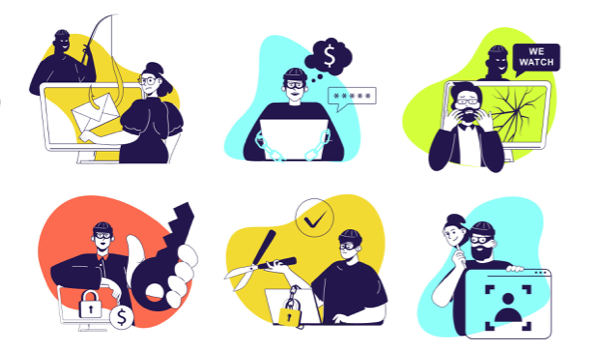
Guest post from Will Martin
Do you know anyone who’s been the target of a scam? Have you? It happens more often than you might think, and it’s trending in the wrong direction. Scammers are always looking for new ways to catch people off guard. With a mix of timing, emotional manipulation, and pressure, scams can inflict irreparable damage before you know it. Stay out of harm’s way by watching for red flags that became more common in 2025.
#1
Scammers Hope You’ll Phone It In
100% spike in voice phishing scams
(Source: BioCatch 2025 Global Scams Report)
A twofold jump in vishing — voice phishing — scams is a big deal. And it’s why vishing is now the second-most-reported scam type. These calls are getting more convincing, often sounding authoritative to create a sense of urgency. The good news? A little awareness can go a long way.
If a caller pressures you to act quickly or share personal information, pause, hang up, and verify the situation through a trusted family member or friend source before responding. A law enforcement agency, bank, or bill collector will never require you to pay using gift cards or through a crypto ATM.
#2
Get the Message on Text Scams
10x surge in smishing
(Source: BioCatch 2025 Global Scams Report)
Smishing is phishing via SMS texts. These scam messages are getting smarter, more personal, and harder to detect as scams at a glance. If a text creates urgency, asks for personal info, or nudges you to click a link, hesitate before responding.
Even if it seems legitimate, go to the sender’s official website instead of using the link in the text. For example, if your bank texts you to say you’ve overdrawn an account or to verify a suspicious purchase, call the number on the back of your card to verify instead of responding to the text. A small amount of skepticism can make a big difference in keeping your data (and peace of mind) safe.
Learn more about scammers impersonating banks.
#3
A New Sweetheart Might Not Be So Sweet
63% uptick in romance scams
(Source: BioCatch 2025 Global Scams Report)
Online connections need a little extra care. Romance scammers are getting better at sounding genuine, patient, and emotionally invested. And they take their time, often spending weeks or even months building a trusting relationship before asking for money or suggesting an “amazing investment opportunity.”
If something feels off — requests to move to another communications platform, a quick transition to intimacy, a need for secrecy, resistance to using video, an inability to meet in person — it’s worth the wait to run it by someone you trust first. Staying open-hearted is great; staying informed adds protection. Small habits like verifying profiles and slowing down can derail a scam attempt.

Tip: Verifying a profile image can derail a scam attempt. To do it, use Google Reverse Image Search. If you’re using the Chrome browser, right click on an image, then select “Search with Google Lens.” The results will show you a list of sites where that image appears.
#4
Scammers Go for Quick Wins
64% of scams happen within a day of first contact
(Source: GASA Global State of Scams)
Scammers don’t usually play the long game, so urgency is often the biggest red flag. Beware of anyone who pushes you to act fast. If they pressure you to send money, share info, or click a link, that’s your cue to pause. Taking even a little extra time can break the scammer’s momentum and keep you in control. And if you don’t act quickly, they’ll often just move to their next target. Time is money, even in scamming.
#5
Scammers Keep Changing the Game
73% of people are confident they can recognize scams, yet 23% had money stolen
(Source: GASA Global State of Scams Report)
In surveys, most people report that they’re pretty sure they know what a scam looks like. Looks can be deceiving, and there are countless scam strategies targeting people based on demographics, location, and hobbies. You name it, there’s a playbook. Common warnings about red flags in recent years may no longer be enough. Even some of the most savvy, cautious folks still end up losing money. Scammers rely on timing, psychology, and pressure. The takeaway is to stay alert, slow down, and double-check anything that asks for urgency, secrecy, or payment requests online.
#6
It’s Not If They’ll Target You, But When
57% of adults report they’ve had a scam experience in the last 12 months, up from 40% in 2022
(Source: GASA Global State of Scams, 2025 & 2023)
Scams aren’t some rare, far-off problem anymore — they’re showing up in everyday moments, from texts and emails to calls that sound surprisingly real. Chances are, you or someone close to you has crossed paths with one recently. That’s why staying alert and up-to-date on scam strategies matters. A hesitation before clicking, a second look at unexpected messages, and a quick gut check can make all the difference in protecting your time, money, and peace of mind every day.
#7
Great Deals Don’t Always Pay Off
14% year-over-year increase in purchase scams, which remain the most common type
(Source: BioCatch 2025 Global Scams Report)
Online shopping is more convenient than ever, but scammers are getting better at blending in. Fake websites, too-good-to-be-true deals, and lookalike ads can all lead to purchases that never arrive. Before you hit the buy button on your screen, hit the pause button in your mind. Stick to trusted retailers, read reviews closely, and avoid pressure tactics. A little extra caution can save you money, time, and frustration later. And the non-existent item is only the first part of the crime. Scammers are often really after your personal information and credit card details.
Help Each Other Stop Scams
By staying informed and looking out for one another, we can reduce the risk and keep our communities safer. Share what you learn with friends and family, follow Operation Shamrock’s Stolen podcast and social channels for updates, and explore trusted resources from the FTC or AARP’s Fraud Watch Network. Together, we can stay one step ahead.
Will Martin is a content consultant with more than 15 years of experience helping teams communicate better. Empathy and integrity drive his skills in short-form writing, any-form editing, and technical strategy. He has improved content for Amazon, AT&T, Expedia, Five9, Zillow, and Microsoft. www.willbmartin.com
More Stories from Our Blog