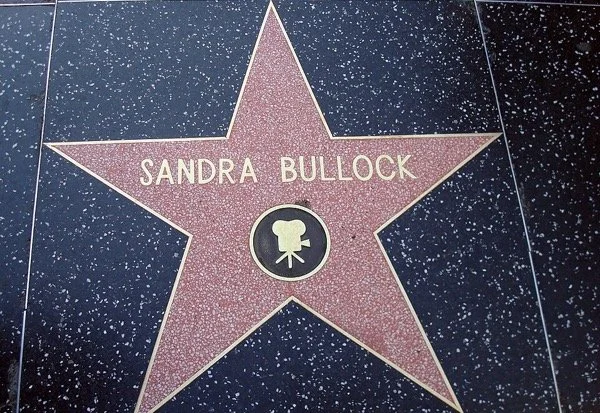
A man believes he’s in a relationship with Sandra Bullock. His daughter is trying to help him without breaking his heart.
Three years ago, Robert was on Facebook interacting with celebrity accounts. An author, he was approaching 80, living alone, and struggling with loneliness. Then someone claiming to represent Sandra Bullock contacted him and asked for his help. They told him scammers were impersonating Ms. Bullock online, and he could help expose them.
What followed was an elaborate deception that would draw him into a fictional world of charitable donations, professional opportunities, and, eventually, romance. Now his daughter Claire and granddaughter Sophie are trying to help him find his way out. But there's a complication. He’s in love.
Recruited to Fight a Scam, By Scammers
The deception began with an ingenious premise. The anti-scam operation was itself a scam.
They encouraged him to engage with suspicious accounts, create false identities, and report back. Soon, he’d earned greater access to Bullock’s inner circle. Eventually, he began communicating with people impersonating the actress and her team. And the relationship had become intensely personal.
The scammers introduced financial opportunities and obligations. Robert donated money to suggested charities. As an author, he was persuaded to work with an agent who arranged a speaking engagement for him. When he called the venue to confirm, nobody knew anything about it. He’d lost $1,000.
He’s not unaware that he may be being deceived. Sometimes he admits that he may not be communicating with Sandra Bullock. He has discussed it could be a scam. Moments later, he returns to planning the anticipated meeting.
Claire and her daughter see this contradiction whenever she visits Robert.
He so badly wants it to be real. He’s just holding out hope. — Claire, Daughter of Scam Victim
Texting and checking his phone occupy much of his time. Claire likens it to a teenager’s first romance. His focus on Bullock has created friction with other family members. “He is in this emotional relationship to the detriment of all other relationships,” Claire says.
The Loneliness Behind the Love
Claire believes loneliness is why the relationship has become so important. She remembers him as handsome and outgoing. Robert once enjoyed an active social life dating, spending time with friends, and meeting people.
Then cancer treatments significantly altered his appearance. His social world became a lot smaller. Opportunities for romantic companionship vanished.
The people impersonating Bullock seem to offer everything he’s missing. She wants to talk to him. She needs him. She makes him feel important, desirable, and loved. And because the relationship exists entirely in messages and imagined encounters, it’s free of the imperfections of everyday life.
Claire believes that makes the connection even more powerful.
Robert participates in church activities and has family members who care deeply about him. But those relationships haven't replaced the connection he believes he has found.
His granddaughter describes it as an “emotional affair.” Both women recognize that simply exposing the deception may leave an enormous emotional void.
When Love Becomes a Financial Risk
The family knows that money has changed hands. They don't know how much.
He becomes defensive when asked about finances. Claire has encouraged him to check his credit report and consider whether his accounts or personal information might be compromised.
“Don't worry about that,” he tells her. “That's not yours.”
The scammers suggested that Bullock wants to turn a book he wrote into a movie. Claire had the family’s attorney explain how legitimate film agreements work, including the need for contracts and communication between legal representatives.
The attorney’s message was straightforward: He shouldn’t be paying to make the movie himself. Claire hopes that a professional perspective will help Robert recognize inconsistencies without feeling attacked.
“I Want to Respect His Dignity”
Most troubling is the emotional investment. Claire has deliberately chosen not to confront him or demand that he stop communicating with the scammers.
Instead, they listen, ask questions, introduce alternative explanations. They share information about scams and encourage him to consider his situation. Most importantly, they try to make sure he feels safe talking to them.
Other relatives have suggested direct intervention, but Claire worries an aggressive approach would backfire.
I wish more people were kind to people being scammed. You learn much more when you don’t shut someone down and judge them. — Claire, Daughter of Scam Victim
They’ve involved a limited number of family members, hoping to preserve an environment in which Robert can speak candidly. If he feels judged, he may stop telling them what's happening. They could lose their best opportunity to protect him.
Claire tried contacting Bullock’s representatives. After mailing a letter, she received a call from someone claiming to speak for Bullock’s team. But something felt off; Claire wasn’t certain whether she'd reached another impersonator.
A Train Trip to Los Angeles
Claire has decided to take an unusual step. She's planning a cross-country train trip with Robert to Los Angeles, where he believes he'll finally meet Bullock.
They scheduled the trip during his birthday week. Claire knows the meeting almost certainly won’t happen. But she hopes the journey will accomplish something that arguments, warnings, and research haven't.
She wants to spend time with her father. She wants him to trust her enough to speak openly. And she hopes that confronting the absence of the person he believes he loves may help him begin to accept the truth.
They worry the trip may not be enough to break the hold. The scammers could invent a scheduling conflict. A personal emergency. Another reason to postpone the meeting. Robert might even construct an explanation himself. The possibility of losing the relationship may simply be too painful. Claire understands that risk.
My biggest concern isn’t financial; it's his heart being broken. — Claire, Daughter of Scam Victim
She's exploring professional support, including specialists who focus on the intersection of aging, technology, and mental health. If Robert accepts that the relationship is fraudulent, they’ll have a new challenge: Helping him grieve a love that was never really there.
The Psychology of a Scam
During the conversation with Operation Shamrock, Claire asked, “How do these scams end?”
There’s no simple answer. Powerful psychological dynamics keep people engaged in fraudulent relationships, even when they see warning signs. Scammers may offer constant attention, affection, and reassurance. They often withdraw that attention, creating anxiety and uncertainty before returning with renewed promises.
The resulting emotional highs and lows can make it difficult to disengage.
Claire recalled a reporter comparing the experience to gambling. Even when someone knows the odds are against them, the possibility of a different outcome can keep them invested. For Robert, that possibility is the relationship with Bullock may be real.
The hope is powerful enough to overcome repeated doubts. — Erin West
In their conversation, Erin West suggested that Claire connect with specialists who work directly with victims, including experts associated with AARP’s Fraud Watch Network.
She emphasizes the need for empathy. The goal is to help victims recognize the manipulation without deepening the shame and isolation that scammers exploit.
For Claire, that approach feels especially important. Robert already lost much of the social connection he once enjoyed. They don’t want breaking the hold of the scam to cost him the relationships he still has.
Guidance for Families of Romance Scam Victims
Every family affected by a scam faces its own challenges. There may be no single conversation or intervention that breaks the deception. But compassion, patience, and informed support can make a difference.
Claire’s experience offers important lessons for families trying to help loved ones caught in emotional scams:
Lead with empathy. Shame and judgment can cause victims to withdraw and conceal information.
Recognize the emotional attachment. A fraudulent relationship can feel profoundly real to the person experiencing it.
Protect financial well-being. Encourage account reviews, credit monitoring, and professional advice if you suspect financial exploitation.
Seek specialized support. Fraud prevention organizations and mental health professionals can help families navigate the manipulation and plan a response.
Preserve trust. Keeping communication open may be essential to helping someone recognize and eventually disengage from a scam.
The Family Behind the Victim
Financial scams are often measured in dollars. One of the less visible consequences of romance scams is that the harm extends to the people who love victim, worry about them, and struggle to find a way to help.
His family has watched him become increasingly absorbed in the relationship. They've worried about his money, his privacy, and his emotional well-being. They’ve researched scam tactics, consulted professionals, debated interventions, and tried to create opportunities for honest conversations.
They’ve had to confront a painful question: If the relationship makes him happy, how do they help him give it up? Claire and her daughter have discussed whether it would be less harmful without money involved. But the financial risks are real, as is the possibility of deeper isolation. The longer the deception continues, the harder it may be to break.
A Different Kind of Success
At the time of Claire’s interview, the scam was ongoing. The train trip hadn't happened. The financial losses remained uncertain. And nobody knew whether Robert would ever fully accept that he was being deceived.
But Claire had already decided what mattered most — making sure Robert emerges from the experience feeling loved, respected, and supported.
My dream is that he feels supported and loved through this whole experience. — Claire, Daughter of Scam Victim
Families can learn to recognize warning signs, protect finances, and seek professional support. But they also have to understand the emotional elements that make the deception so compelling. Robert’s scammers offered companionship, purpose, and the possibility of love. Helping him may require finding ways to restore those elements in real life.
Robert is fortunate: He has a daughter willing to travel across the country beside him, even when she knows the person he expects to meet won't be there.
Operation Shamrock exposes the tactics behind sophisticated financial scams, helps survivors share their experiences, educates the public, and improves responses from financial institutions and law enforcement.
Have you or someone you love experienced a scam? Connect with the Operation Shamrock team to share your story and learn about resources for survivors.
Jesse Ratner is a writer from San Francisco whose daughter was a recent victim of a bank scam.
Related Stories from Our Blog