International Warrant Scam: Priya’s Story
An Indian official said they had a warrant for her arrest. Within days, scammers impersonating Indian and U.S. officials stole more than $350,000.
By Jesse Ratner
A software engineering manager with a strong academic background, Priya has built a successful tech career, including more than a decade at one of the tech industry’s largest companies. She is accomplished, capable, and experienced. One morning, she got a call that seemed to threaten everything.
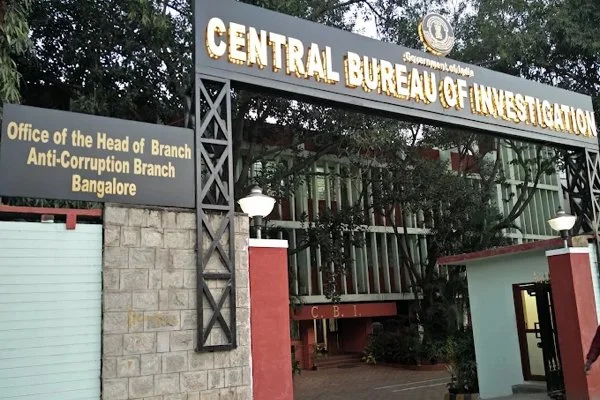
The caller said he was from the Indian Consulate in Houston. He told Priya there was an arrest warrant in her name and said she needed to respond immediately. Soon after, she began receiving WhatsApp calls and official-looking documents bearing the insignia of India’s Central Bureau of Investigation (CBI). The threats escalated quickly. The scammers invoked the FBI, the Department of Justice, and Interpol, telling Priya she was at the center of a major international investigation.
Setup: Accusations of International Fraud
According to the documents and calls, the CBI had connected Priya to an international cryptocurrency fraud ring. The scammers claimed bank accounts had been opened in her name in India, that criminal proceeds had moved through those accounts, and she was now a suspect in a cross-border case involving Indian and U.S. authorities. They sent fake case numbers, fake orders, and detailed explanations for why she was under suspicion.
“They made themselves sound like the only safe place left.”
None of it was real. Unlike investment scams that begin with promises of easy profits, this one relied on fear.
The callers didn’t give her time to pause, verify, or reach out to anyone she trusted. They informed her that she would remain under constant surveillance and not to contact family or friends. They warned that if she failed to cooperate, the FBI could arrest her, destroying her reputation and her career. They alternated between intimidation and reassurance, terrifying her, then positioning themselves as the only people who could protect her.
Coaching: Scripting to Steal
For Priya, the scam’s technical details made it even more convincing. The callers spoke fluently about identity theft, cryptocurrency tracing, financial records, and cross-border law enforcement coordination. They told her the only way to prove her innocence was to submit information about her assets and cooperate in a “verification” process. The language they used felt specific enough to be credible.
The scammers instructed Priya to disclose where she kept her money, including bank accounts, investments, and stock holdings. Then they told her she needed to move funds so authorities could verify that her money was legitimate and unconnected to the supposed criminal case.
They prepared her for resistance at the bank. The scammers explained how bank employees might question large transfers and told Priya exactly what to say in response.
They also suggested that the bank employees might be involved. Their investigators were trying to determine whether insiders at Bank of America had helped leak her identity or facilitate fraud. That detail mattered; it made Priya less likely to trust the very people who might have interrupted the scam.
Following their instructions, Priya went to a Bank of America branch near her home and initiated two wire transfers — for $250,000 and $100,000 — to cryptocurrency platforms the scammers had identified. In total, she sent more than $350,000.
“If we had gotten even a hint, even a clue from the banker. This could have all stopped.”
What happened next only deepened her confusion. Priya says one transaction appeared to proceed ahead while another seemed delayed, altered, or handled inconsistently. She returned to the branch trying to clarify what was happening, but didn’t get clear answers. Every unclear response seemed to support the scammers’ story. The uncertainty reinforced the idea that it was a real investigation involving compromised institutions and hidden surveillance.
Today, Priya believes that even a brief, direct warning at the bank could have changed the outcome.
Crack in the Fraud: Inconsistencies and Contradictions
After the initial transfers, the scammers began pushing Priya toward the next phase. They wanted her retirement funds, too. At the same time, their story was beginning to crack.
Priya noticed inconsistencies between the supposed officials. Different “officers” appeared to contradict each other. When the scammers briefly relaxed their restrictions, she searched for the CBI official's name online. She found reports of previous scams using the same name.
That was the moment everything changed.
Priya immediately contacted the Indian Consulate’s emergency line. They told her it was a scam. She reached out to a friend, who confirmed it again. She cut off contact with the callers at once. By then, much of the money was already gone. But she moved quickly enough to stop further losses, including funds that had not yet been fully transferred from her retirement accounts.
Reporting Failures: Local Law Enforcement
“The police said, ‘We don’t take these complaints here.’”
That same night, Priya went to the local police department with her laptop and documentation. They turned her away. She went back the next day and still could not get immediate help. She also contacted federal authorities, who confirmed that the entire law enforcement story was fake.
The police said, ‘We don’t take these complaints here.”
In the days that followed, she gathered transaction records, screenshots, chat logs, and reports. She filed an FBI IC3 report and contacted agencies and officials in both the U.S. and India. But when she needed support in the narrow window when intervention might have mattered most, she didn’t get it.
That remains one of the hardest parts of the experience.
Priya knows she is not naive. She knows she is intelligent, experienced, and technically sophisticated. Her story shows how little those traits matter when scammers overwhelm a victim’s nervous system with fear, isolation, and false authority. These schemes do not succeed because victims are careless. They succeed because the criminals behind them understand how to create panic, control attention, and make the impossible feel official.
Moving Forward: What Priya Wants You to Know
Today, Priya is focused on rebuilding and moving forward.
She’s sharing her story because she wants other people — especially professionals in immigrant communities — to understand how convincing these schemes can be. Her experience also raises urgent questions. What happens when a terrified victim walks into a bank branch or police station in the middle of an active scam?
For banks:
What signs should employees notice?
How can they communicate suspicions to consumers?
For law enforcement:
How can local agencies respond to victim reports?
How can they better support victims and guide them to resources?
Priya’s story is a reminder: These scams are not just financial crimes. They are psychological operations. And when institutions fail to recognize them in time, the damage can move very fast.
Jesse Ratner is a San Francisco-based writer whose daughter was a recent victim of a bank scam. His novel, The Origins of Anxiety, is available on Kindle.
At Operation Shamrock, our mission is to educate the public, mobilize collective action, and disrupt the operational networks of transnational organized criminals to prevent further harm.
Do you have a survivor story? Connect with our team to share your experience.
Related Stories from Our Blog