Investment Scam Exposed: A Journey of Fraud and Frustration
Despite his careful research and skepticism, scammers defrauded Syd of $50,000. Next came the challenge of dealing with law enforcement.
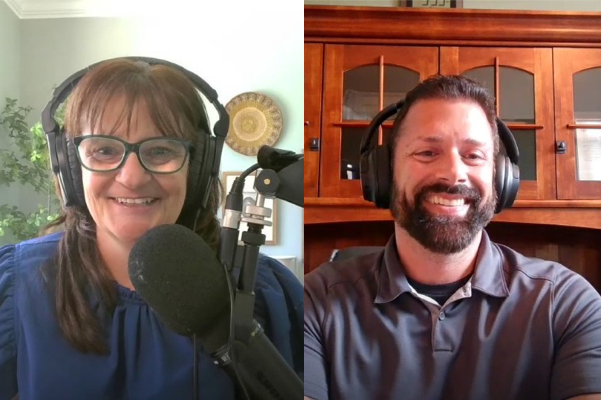
Episode 58: Erin West sits down with a former securities industry professional who lost more than $50,000 to a technically sophisticated crypto investment fraud. Syd’s story isn’t one of carelessness; he had identified several earlier scam pitches before one — built over months on Facebook Messenger and dressed up in legitimate terms like “automated market making” — finally succeeded. In his conversation with Stolen, he traces his methodical research, the moment the scheme unraveled, and the maze of law-enforcement dead ends that followed.
If they insist on going onto WhatsApp, head out. Run for the hills.— Syd Thompson, Investment Scam Survivor
Six Things to Know about Investment Fraud
1. It’s about sophistication, not gullibility. Syd had already been targeted with several earlier scam approaches. He passed on the “guaranteed” Bitcoin trading secret, a flawless gold broker, and insider foreign exchange tips. The fraud that finally worked didn’t rely on ignorance; the scammers leveraged months of patient relationship-building and used language that his own finance background made him want to trust.
2. Real research can be weaponized. Scammers increasingly anchor their pitch to include verifiable technology, making conventional due diligence insufficient on its own. When Syd’s scammer pivoted from Bitcoin to “automated market making,” Syd did his homework. He independently researched the concept and found genuine white papers, some connected to Coinbase and Uniswap, that appeared to validate what she described.
3. Offers to share risk reduce hesitation. When Syd considered investing a larger sum, the scammer offered to match his $50,000 with her own — a classic tactic that signals shared risk, even though no real money from her side ever existed.
4. Withdrawal fees are a consistent theme. Once Syd tried to withdraw his six-figure balance, he was told he needed to pay a 30% “identity deposit.” One of the most reliable signatures of this style of fraud, the scammers insist on a fee or tax that must come from new funds rather than the investment account.
Coinbase customer service escalated me to technical support. They did a quick look and found that there was malware on the wallet, there wasn’t anything they could do about it, and suggested I contact the FBI. — Syd Thompson, Investment Scam Survivor
5. Jurisdictional hand-offs leave victims stranded. Syd filed reports with FBI IC3, the Securities and Exchange Commission (SEC), the Commodity Futures Trading Commission (CFTC), and several attorneys general and district attorneys. The FBI told him to contact local police; his local police department sent him back to the FBI. Years and multiple filings later, he is still waiting to hear back.
6. Loss size shouldn't determine whether a case matters. There isn’t a magic number that makes a scam loss significant. Scammers assess their targets to identify how much they think they can get from each individual. Syd was told $50,000 wasn't significant enough to warrant FBI resources. But it was significant for Syd. As Erin points out, the devastation of losing $50,000 is no less real to Syd than losing millions would be to someone else.
Fight the Scamdemic
If this episode changed how you think about who gets targeted and why, share it and subscribe to Stolen for more every week.
If Syd’s experience sounds familiar or you’ve been defrauded in a crypto scam, here are five things to do if you’ve been scammed. get free support from our triage team. They’ll do an initial trace of your funds to help you determine next steps.
Keep up to date with the scam industry. Follow Operation Shamrock on social, sign up for our newsletter, and learn ways you help protect your family and community.
Episode Chapters
00:00 Update from Erin
03:00 Meet Syd
05:38 The Initial Contact and Investment Journey
06:34 Understanding Arbitrage and Market Making
10:07 The Realization of the Scam
15:52 Attempts to Report the Crime and Get Help
20:57 The Frustration with Law Enforcement
23:58 Accountability of Social Media Platforms
30:15 Regulation and Investor Protection in Crypto
31:56 The Emotional Impact of the Scam
Subscribe to Stolen for straight truth, survivor-centered storytelling, and bold conversations about the scamdemic and the people fighting back. Find Stolen on YouTube, Apple Podcasts, Spotify, Amazon Music, and other major podcast platforms.
Sponsors of Stolen

BioCatch prevents financial crime by recognizing patterns in human behavior, continuously collecting 3,000 anonymized data points – keystroke and mouse activity, touch screen behavior, physical device attributes, and more – as people interact with their digital banking platforms. With these inputs, BioCatch's models reveal patterns that distinguish the criminal from the legitimate.
Scamnetic is a leader in AI-powered scam detection and prevention, protecting individuals, businesses, and financial institutions from digital scams. With solutions like KnowScam and IDeveryone, Scamnetic delivers real-time scam insights, identity verification, and intervention. Restoring trust, reducing losses, and empowering organizations to safeguard customers in an increasingly complex digital world.
Recent Episodes of Stolen