Solutions: What AI Can’t Fake — How Location Became the New Identity
André Ferraz provides a look at how location-based identity verification can reshape fraud prevention.
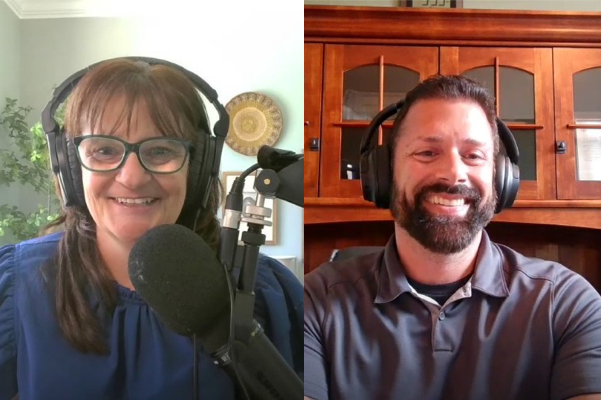
Episode 57: Erin West and André Ferraz, CEO and co-founder of Incognia, explore how location-based identity verification is reshaping fraud prevention. Raised by two Brazilian computer scientists, André explains how Incognia pivoted from location-based marketing into security after the pandemic.
Erin and André talk about the mechanics of device spoofing, money-mule account handovers, and explore why Brazilians have become prime targets for pig-butchering scams. And they discuss the privacy tradeoffs of location technology and what keeps a fraud-fighting CEO up at night.
This is a cat-and-mouse game, and we don't want to be the ones playing catch-up. — André Ferraz, Incognia
“When I was still in college, we were working on this research project around trying to build a better geolocation technology,” Andre says. “The goal was to be able to locate devices indoors. So basically, being able to gain access to location signals where GPS was unavailable.”
Scroll down for: Guest Bio - Chapters - Sponsors - More Stolen
Device IDs Alone Are a Broken Defense
Fraudsters can now wipe an iPhone and generate a new device identifier in under 30 seconds. If a device is blocked for fraud, it can be digitally recycled in minutes and reappear as a new device to a bank or marketplace. Ferraz notes that roughly 70% of devices used to commit fraud are reset weekly for exactly this reason, making static device IDs nearly useless on their own.
Instead of using IDs, device location provides continuous verification instead of relying on a point-in-time device ID check. Incognia layers GPS, wifi signals, Bluetooth beacons, cell tower data, and on-device sensors into a behavioral fingerprint. The data is accurate to within about eight feet, making it precise enough to tell one apartment from another in the same building. When a supposedly new device behaves exactly like a blocked one in the same physical spot, Incognia links the two and shuts down the workaround.
Mule Accounts Are Surging
Mule accounts are hard to identify because they start as a legitimate accounts opened by real people. Scammers later either take direct control through a handover of credentials, or indirectly by coercing the owner to move money on the scammer’s behalf — a pattern common in romance scams.
The tools fraudsters are using now are a lot more powerful. This is driving more attacks, and the fraudsters need accounts so they can receive that money.— André Ferraz, Incognia
In its recent report about mule accounts, Incognia found that 81% of surveyed organizations reported an increase in mule account takeovers. Ferraz attributes the rise largely to generative AI making it easier to do document forgery, biometric spoofing, and personalized phishing.
Hyper-connectivity Makes Brazil a Prime Target
Brazilians adopt new social platforms faster than almost any country. They also tend to share more personal information online, providing scammers with the ingredients to build convincing, personalized approaches.
The Brazilian economy is not that strong. So any financial opportunity, anything that looks interesting from a financial standpoint, is certainly going to be attractive. — André Ferraz, Incognia
Combined with economic pressures that make international job offers and crypto opportunities especially appealing, this creates fertile ground for pig-butchering operations targeting Brazilian victims.
What Can You Do Now?
Learn more about how mule activity is escalating and what organizations can do to detect it, stop it, and stay compliant from Incognia’s report: The State of Mule Account Handovers in 2026.
If this episode changed how you think about the device in your pocket, share it. And if Stolen is helping you see these threats more clearly, please subscribe and leave a review wherever you listen.
Follow Operation Shamrock or register for our newsletters to stay up to date with the scamdemic, meet the people fighting it, and help make a difference.
Who Is André Ferraz?
Led by co-founder and CEO André Ferraz, Incognia provides cross-device risk intelligence for companies that rely on trusted digital interactions. A seasoned entrepreneur and technologist, Ferraz has co-developed one of the world’s most precise location technologies, which now powers Incognia’s fraud prevention solutions. Incognia is securing 1 billion devices across 188 countries. Incognia helps organizations stop repeat and large-scale fraud while reducing friction for legitimate users.
Episode 57 Chapters
00:00 The Intersection of Location and Identity in Fraud Prevention
03:13 Journey to Silicon Valley and Tech
06:00 Understanding Location as Identity
09:08 Challenges in Fraud Detection
12:47 Mule Accounts and Account Handovers Explained
15:18 The Rise of Mule Account Handover
17:59 Continuous Verification in Fraud Prevention
21:12 Behavioral vs. Location Clues in Fraud Detection
23:41 Understanding User Consent for Location Data
28:23 Fraud Targeting and Operations in Brazil
32:51 Tech Tampering by Fraudsters
36:36 The Business Case for Fraud Prevention Solutions
Subscribe to Stolen for straight truth, survivor-centered storytelling, and bold conversations about the scamdemic and the people fighting back. Find Stolen on YouTube, Apple Podcasts, Spotify, Amazon Music, and other major podcast platforms.
Sponsors of Stolen

BioCatch prevents financial crime by recognizing patterns in human behavior, continuously collecting 3,000 anonymized data points – keystroke and mouse activity, touch screen behavior, physical device attributes, and more – as people interact with their digital banking platforms. With these inputs, BioCatch's models reveal patterns that distinguish the criminal from the legitimate.
Scamnetic is a leader in AI-powered scam detection and prevention, protecting individuals, businesses, and financial institutions from digital scams. With solutions like KnowScam and IDeveryone, Scamnetic delivers real-time scam insights, identity verification, and intervention. Restoring trust, reducing losses, and empowering organizations to safeguard customers in an increasingly complex digital world.
Recent Episodes of Stolen