AI-driven Scamming Isn’t a Future Risk; It’s Already Here
Fraud fighter Frank McKenna on new scams, AI, and why data sharing is critical to the fight against the coming wave of fraud.
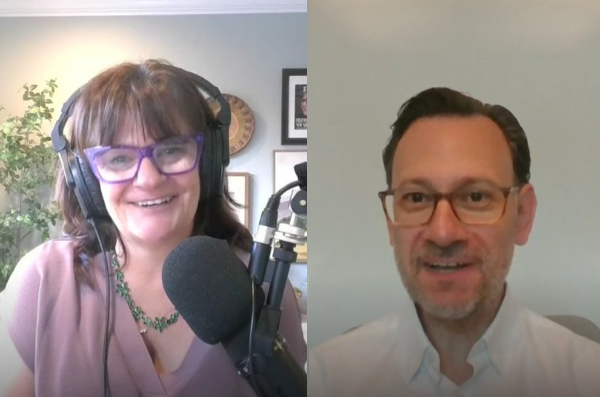
Episode 61: Frank McKenna, co-founder of Point Predictive and author of the powerful Frank on Fraud newsletter, knows his stuff. His 30-year career includes building solutions to enable organizations to share industry data to identify and fight fraud, from credit cards, mortgages, and ATM/debit cards to auto lending.
Frank’s conversation with Erin West hits a range of topics, including how McKenna first stumbled onto the scam compound crisis through a single 2022 news clip and how AI is enabling scam operations to shrink from 2,000-person compounds to 10-person apartments. He explains the rise of “digital arrest” scams impersonating police and a growing scheme of cloning car dealerships that Facebook has refused to take down. And he shares a candid prediction: The fraud-fighting workforce will double in five years, not shrink.
Prefer the audio version? Find Stolen on Apple Podcasts, Spotify, Amazon Music, and other major platforms.
Four Fraud Revelations from Frank
1. Data sharing doesn’t have to be complicated — it just has to start. McKenna’s advice, repeated across all four consortiums he’s built, is deceptively simple: Pick a narrow set of easy data points (names, locations, IP addresses), get one or two organizations to agree, and grow from there. The instinct to wait for a comprehensive, 50-organization agreement is exactly what keeps fraud-fighting coalitions stuck in meetings rather than taking action.
Scammers can do just as much damage with fewer people. AI is going to be a very significant problem. — Frank McKenna
2. AI is dispersing scam compounds, not eliminating them. Rather than building massive walled compounds that are increasingly easy to spot and raid, criminal operations are learning to run effective scam operations out of apartments and hotel rooms with a fraction of the staff. They’re using AI to automate messaging, generate deepfake photos on demand, and eventually operate bot farms indistinguishable from human workers. McKenna believes fully AI-driven scam operations, invisible to biometric detection, aren’t a future risk — they’re likely already here.
3. Digital arrest scams are the next pig butchering scheme. Already the dominant scam in India and Japan, “digital arrest” schemes are the next wave of police and government impersonation. The criminals contact a target using video and phone calls to tell them they’re under arrest and confined to their homes. They use fear to extract money — often within hours rather than months. Unlike romance scams, the model ensnares victims using psychological triggers to create panic, not affection.
4. Platforms are enabling scams they’ve been explicitly warned about. McKenna has identified roughly 600 websites cloning real car dealerships with AI-generated copies that promote fake underpriced listings, and swap phone numbers to route to scammers who collect wire transfers for cars that don’t exist. Despite repeated reports with documented proof, Meta has declined to remove the fraudulent listings and profiles from Facebook — even as it collects ad revenue from the sponsored posts.
It takes a lot of energy to get people over the inertia of, ‘Let’s do nothing because it’s too hard.’ — Frank McKenna
Scroll down for: Guest Bio - Chapters - Useful Links - Sponsors - More Stolen
Who Is Frank McKenna?
Frank McKenna is the Co-Founder of Point Predictive, the leader in AI fraud solutions for the consumer lending industry. A seasoned fraud fighter with over 30 years of experience, he has led global fraud consulting teams for BasePoint Analytics, CoreLogic, FICO, and Point Predictive, working with more than 300 banks and lenders worldwide to help them stop fraud. He also authors the widely read industry blog “Frank on Fraud,” where he tracks emerging threats and shares information to empower fraud fighters globally.
Episode 61 Chapters
00:00 Introduction to Frank McKenna and Point Predictive
08:09 The Importance of Data Sharing in Combating Fraud
15:15 The Rise of Chinese Criminal Organizations in Fraud
18:41 AI's Impact on Scams and Fraud Operations
25:43 Emerging Scams: Digital Arrest and Police Impersonation
28:25 Understanding Scams: The Jury Duty Fraud
29:36 The Rise of Extortion Scams
31:07 The Context of Scams: How Situations Influence Victimization
32:56 Impersonation Scams: The New Face of Fraud
34:35 The Role of Social Media in Facilitating Scams
37:26 Erosion of Trust: The Societal Impact of Scams
41:08 Future of Fraud Prevention: Strategies and Innovations
43:43 The Importance of Awareness in Fraud Prevention
Useful Links
Subscribe free to Frank on Fraud for weekly updates on the fraud industry and the fight against it.
Read more about how Meta profits from scam advertising on its platforms.
Subscribe to Stolen for straight truth, survivor-centered storytelling, and bold conversations about the scamdemic and the people fighting back. Find Stolen on YouTube, Apple Podcasts, Spotify, Amazon Music, and other major podcast platforms.
Sponsors of Stolen

BioCatch prevents financial crime by recognizing patterns in human behavior, continuously collecting 3,000 anonymized data points – keystroke and mouse activity, touch screen behavior, physical device attributes, and more – as people interact with their digital banking platforms. With these inputs, BioCatch's models reveal patterns that distinguish the criminal from the legitimate.

Scamnetic is a leader in AI-powered scam detection and prevention, protecting individuals, businesses, and financial institutions from digital scams. With solutions like KnowScam, IDeveryone, and PayVerify, Scamnetic delivers real-time scam insights, identity verification, and intervention. Restoring trust, reducing losses, and empowering organizations to safeguard customers in an increasingly complex digital world.
Recent Episodes of Stolen