The Scam Industry Isn’t Going Away, It’s Expanding
Lindsey, Nathan, and Erin recount their recent investigations in Cambodia, the humanitarian crisis of trafficking victims trying to get home, and being chased to the Vietnam border.
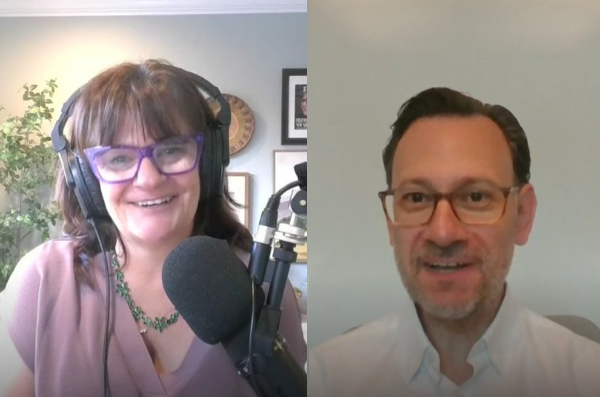
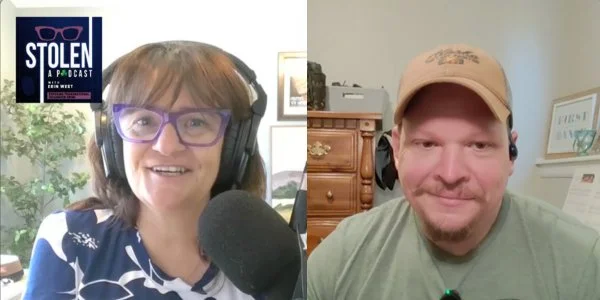
Episode 48: Lindsey Kennedy, Nathan Paul Southern, and Erin West provide first-person accounts of transnational organized crime at an industrial scale. In part 2 of their conversation, they recount dangerous encounters, heartbreaking meetings with trafficking victims, and clear evidence of continued development and expansion of scam operations throughout Southeast Asia and into Africa.
Their verdict: The scamdemic is not over.
Together, they explore shuttered compounds that are already reopening, recount a harrowing escape from an active scam park, and share the desperate situation of thousands of trafficking survivors now stranded in Cambodia.
Based in Cambodia, Lindsey and Nathan of The Eyewitness Project were some of the first journalists to expose the global scam-compound epidemic.
It’s important to understand the level of the threat that these criminal organizations pose to our economies. They’re stealing billions of dollars, one person at a time. The organizations running these compounds take their work seriously; they don’t appreciate anyone making it any more difficult, time-consuming, or expensive for them to steal. But that’s exactly the business that we are all in — trying to disrupt this transnational organized crime.
There is real psychological impact for victims on both sides of the scam. Those who have had their money stolen, but also the very real crisis for human-trafficking victims forced to steal.
Scroll down for: Guest Bios - Chapters - Useful Links - Sponsors - More Stolen
The Status of the Scam Economy in Cambodia: Five Key Points
Crackdowns are theater, not enforcement. In Cambodia, a “raid” typically starts with advance warning — a phone call or even an in-person visit — so compounds can empty out, take photos for social media, and quietly reopen weeks later. Chinatown in Sihanoukville turned its lights off for international cameras while active compounds flourished just miles away on dirt roads.
It’s planned economic development, not opportunistic crime. The second Chinese Belt and Road Infrastructure (BRI) project approved in Cambodia was a road through the mountains to Thmor Da, a small remote town and an illegal logging area that evolved into a scam town. New 30-story compounds rise in months. The infrastructure is staggering in size — and deliberate. Consider what it takes to build a business complex or apartment building in a large city throughout most of the world. It takes years; in Southeast Asia, massive compounds are being built in months.
“In January, there’s nothing but sand. You come back in June, and there are 15 huge new buildings. The scale is just unbelievable.”
The sanctions against Chen Zhi and The Prince Group caused chaos— but not closure. The October 2025 U.S and UK-led sanctions involved more than 150 companies. The U.S.-led seizure of $15 billion in assets was the largest crypto seizure in history. The actions disrupted operations, but didn’t stop them. But compounds relabeled American targets as off-limits while pivoting to German and other targets. Many sites are already operational again.
The system is re-victimizing trafficking survivors. Thousands of Africans — including a mother who gave birth inside a compound and now owes her traffickers her hospital bill — are stranded in Cambodia with mounting overstay fines, no repatriation support, and government deadlines that will reclassify them as criminals if they miss them. Meanwhile, knowing they have no other options, scam networks are already recruiting them back.
“Everyone is extorting the victims as much as they possibly can right now. Victims who have nothing, often people who have been enslaved for over a year.” — Nathan Southern, The Eyewitness Project
The scam industry is globalizing. When attention turns to Cambodia, operations move to Laos, Myanmar, and now Africa. New hubs are opening in Madagascar and Uganda, linked to the same networks. Golden Triangle zones that were raided are already rebuilding. The industry is fluid, resilient, and expanding—not retreating.
“There’s no reason you would set up any kind of online business in Cambodia unless you were doing something dodgy.” — Lindsey Kennedy, The Eyewitness Project
Who Is Lindsey Kennedy?
Lindsey Kennedy is an investigative journalist and Research Director at The Eyewitness Project. Her work focuses on exposing transnational organized crime, cyber slavery, and all forms of trafficking networks across Southeast Asia and beyond, with particular expertise in criminal financial flows and the movement of illicit funds.
She has helped coordinate the rescue of dozens of victims from scam compounds and is increasingly focused on the humanitarian crisis facing those who escape but remain stranded without support or a way home.
For years, Lindsey has been at the forefront of raising global awareness about cyber slavery and the scam economy, including bringing the issue into new arenas such as European football at Play the Game. She has contributed to major investigations and documentaries on the topic and has presented her work to the United Nations and other international forums.
Who Is Nathan Paul Southern?
Nathan Paul Southern is a security specialist, investigative journalist, and Operations Director at the Eyewitness Project. He investigates the overlaps between crime, conflict and corruption with a particular focus on the global scam and human trafficking crisis, working on the ground across Southeast Asia, Europe, Africa, and the Middle East.
He has helped coordinate the rescue of dozens of victims from scam compounds and is actively working on the humanitarian fallout, supporting foreign nationals who escape but are left stranded without documents, money, or a way home.
For years, Nathan has been at the forefront of raising awareness about cyber slavery and the global scam crisis. He regularly briefs governments, international policing bodies, and organizations, including UNODC and Interpol, with a focus on how organized crime, conflict, and corruption are increasingly converging.
Episode Chapters
00:00 The Complexity of Cambodia’s Criminal Economy
01:53 The Rapid Growth of Scam Compounds
05:22 The Scary Reality of Thmor Da
10:18 The Indictment of Chen Zhi and the Prince Group
14:47 The Aftermath of Sanctions and Ongoing Operations
17:18 A Car Chase (No, Really)
19:43 The Lights Are Off in Chinatown
27:40 The Underbelly of Scam Operations
31:04 Rescuing Trafficked Victims from Mansion 8
37:28 The Plight of Trafficked Individuals
42:14 Government Exploitation of Victims
47:44 Mansion 8 and Continued Development
52:37 Expansion into Africa
54:44 Why We Do What We Do to Fight Scams
More from The Eyewitness Project
GoFundMe: Human Trafficking Survivors Urgently Need Help to Get Home
Global Initiative against Transnational Crime
Foreign Policy: Are Scam Compounds The Real Cause of Cambodia-Thailand Fighting? (September 2025)
Subscribe to Stolen for straight truth, survivor-centered storytelling, and bold conversations about the scamdemic and the people fighting back. Find Stolen on YouTube, Apple Podcasts, Spotify, Amazon Music, and other major podcast platforms.
Sponsors of Stolen

BioCatch prevents financial crime by recognizing patterns in human behavior, continuously collecting 3,000 anonymized data points – keystroke and mouse activity, touch screen behavior, physical device attributes, and more – as people interact with their digital banking platforms. With these inputs, BioCatch's models reveal patterns that distinguish the criminal from the legitimate.

Scamnetic is a leader in AI-powered scam detection and prevention, protecting individuals, businesses, and financial institutions from digital scams. With solutions like KnowScam and IDeveryone, Scamnetic delivers real-time scam insights, identity verification, and intervention. Restoring trust, reducing losses, and empowering organizations to safeguard customers in an increasingly complex digital world.
Recent Episodes of Stolen