How Crypto, the Dark Web, and Fentanyl Deaths Are Connected
Keven Hendricks, 20-year law enforcement veteran, pulls back the curtain on the dark web and the connections with cybercrime and drug sales.
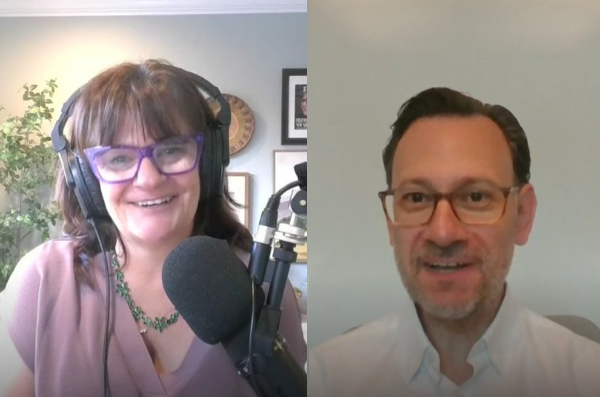
Episode 54: Erin West sits down with Keven Hendricks — 20-year law enforcement veteran, former task force officer with both the FBI and DEA, and expert in dark web investigations, cryptocurrency, and privacy coins. What started as a crash course in Bitcoin and illicit online markets in 2014 became a career-defining passion. Keven has spent the years since pushing law enforcement to catch up to the criminals it is trying to stop.
Prefer the audio version? Find Stolen on Apple Podcasts, Spotify, Amazon Music, and other major platforms.
Keven shares the realities of the dark web by dismantling pop-culture myths, explaining how it works, and making the case that most investigators have already encountered cases with a dark web nexus without realizing it. He and Erin talk about critical gaps that allow cybercrime to flourish, including:
Prosecutors who are unwilling to take on crypto cases
Police chiefs who are reluctant to dedicate resources
An almost total absence of data connecting overdose deaths to dark web drug vendors
They also talk about Keven’s Ubivis Project — a first-of-its-kind initiative to collect, analyze, and share intelligence on dark web narcotics vendors so that state and local agencies can connect, investigate, and prosecute overdose deaths. Erin and Keven draw a clear connection between the fentanyl crisis, dark web commerce, and the transnational organized crime networks that underpin it all, making the case that the investigative silos keeping agencies from talking to each other are costing lives.
“Cryptocurrency, whether you like it or not, is a means of moving wealth that is being used by bad guys.” — Keven Hendricks
4 Things You’ll Learn about the Dark Web
The dark web isn’t what you think — and that misunderstanding is deadly. The dark web isn’t a hidden world accessible only to hackers. Anyone can join with a single download. Driven mostly by pop culture, the persistent myths have given law enforcement a built-in excuse not to investigate it, even as drug vendors on these networks are directly responsible for a significant and largely uncounted share of overdose deaths.
Prosecutors and chiefs are the missing link in fighting cybercrime. Investigators have outpaced the rest of the system. Prosecutors decline crypto and dark web cases because they fear juries won't understand them. Police chiefs don't dedicate staffing because they assume the feds will handle it. Meanwhile, the feds are overwhelmed. Nothing will change until leaders at every level decide these are crimes worth pursuing and start building the institutional knowledge to address them.
“You can’t sit there and expect things to change when you don’t have people who are championing the change.” — Keven Hendricks
Overdose deaths are crime scenes, not medical events. Dark web drug vendors have been linked to dozens of overdose deaths each, yet cases are routinely written off or never connected across jurisdictions. The Ubivis Project exists to change that. It ingests reports from state and local agencies, analyzes vendor activity across dark net markets, and routes actionable intelligence to federal J-CODE partners. This way, we can trace a death in New Jersey, a death in California, and a death in Arkansas to the same vendor.
Pull the thread far enough and the crimes are all connected. The precursor chemicals in fentanyl, the crypto flows behind investment scams, the money laundering infrastructure moving billions across borders all converge. Chinese supply chains feed cartel distribution, which feeds dark web retail, which feeds local overdose statistics. Treating these as separate problems in silos is exactly why they don’t get solved.
You Can Make a Difference
The more people who understand the connections between these crimes, the harder it becomes to write any one of them off as someone else's problem. If this episode made you think differently about overdose deaths in your community, or the challenges your local investigators face, share it.
If you've lost someone to an overdose and believe a dark web purchase may have been involved, Keven urges you to report it to your local agency and push for an investigation as a cybercrime. Your report could be the data point that connects a vendor to a dozen other deaths and finally gets them off the market.
Law enforcement professionals
Learn more about the Ubivis Project and dark web vendor intelligence.
Find out more about Operation Shamrock’s Crypto Coalition.
Subscribe to Stolen and leave a review wherever you listen. Every new listener is one more person who understands what transnational organized crime actually looks like — and why it’s everyone's fight.
Who Is Keven Hendricks?
Keven Hendricks began his law enforcement career in 2007, and has served as a task force officer for FBI and DEA cybercrime task forces. He is recognized as a subject-matter expert in dark web investigations by the Department of Defense Defense Tactical Information Center (DTIC), and contributes to analytic journals and technical reports. His expertise has been quoted in major news outlets. He speaks at conferences worldwide and instructs law enforcement in both the United States and internationally. He’s currently an adjunct instructor for NW3C.
He is a Certified Cyber Crime Examiner (3CE) and Certified Cyber Crime Investigator (3CI) by NW3C, a Certified Cryptocurrency Investigator through the Blockchain Intelligence Group, and a Certified Digital Asset Professional through the Global Digital Asset & Cryptocurrency Alliance. He is the founder of the Ubivis Project (StopDarkwebDrugs.com) and sits on the advisory council for the Anti-Human Trafficking Intelligence Initiative.
Episode Chapters
04:31 The Evolution of Cryptocurrency in Law Enforcement
07:15 Getting Involved in Crypto Investigations
11:44 Challenges of Learning Crypto Investigation
14:13 Getting Prosecutors on Board
20:34 Changing the Persona of Crypto Criminals
23:20 The Need for Dedicated Cybercrime Units
26:20 The Role of Community and Collaboration in Cybercrime Investigation
31:39 Understanding the Dark Web
37:32 The Role of Local Investigators
37:36 How Investigators Can Use the Dark Web
40:39 The Ubivis Project: A Unified Approach
43:38 Challenges in Addressing Overdose Deaths
46:24 Improving Law Enforcement with Information Sharing
48:36 The Dark Web's Impact on Drug Trafficking
54:01 Looking Ahead
Sponsors of Stolen

BioCatch prevents financial crime by recognizing patterns in human behavior, continuously collecting 3,000 anonymized data points – keystroke and mouse activity, touch screen behavior, physical device attributes, and more – as people interact with their digital banking platforms. With these inputs, BioCatch's models reveal patterns that distinguish the criminal from the legitimate.

Scamnetic is a leader in AI-powered scam detection and prevention, protecting individuals, businesses, and financial institutions from digital scams. With solutions like KnowScam and IDeveryone, Scamnetic delivers real-time scam insights, identity verification, and intervention. Restoring trust, reducing losses, and empowering organizations to safeguard customers in an increasingly complex digital world.
Recent Episodes of Stolen