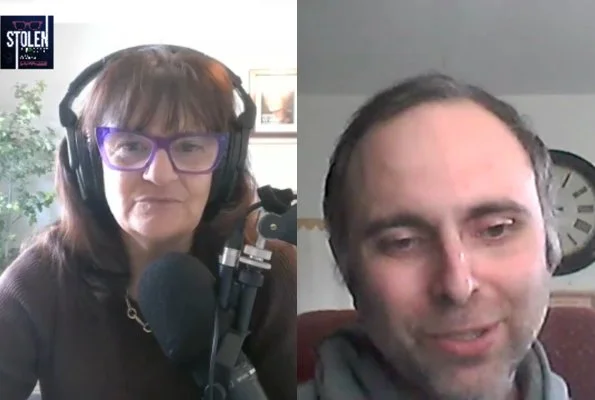
Matt Martello retraces the path from a friendly chess move to hundreds of thousands of dollars gone.
Episode 77: Matt is a kind, thoughtful, introverted man with autism who has spent more than a decade on Chess.com. It was a place where a daily game and a little banter could brighten any day, and where a new friend felt like a gift. He had a job, savings, and a cautious attitude toward risk. None of that was enough to protect him.
A friendly stranger turned a shared hobby into the starting point of a long, carefully crafted investment fraud scheme. In a candid conversation with host Erin West, Matt describes what he saw on screen, what he believed, and what he was coached to say to the people trying to protect him. Most of all, he explains why he chose to come forward to help others recognize this crime before it reaches someone at their own table.
Prefer the audio version? Find Stolen on Apple Podcasts, Spotify, Amazon Music, and other major platforms.
I was so deep into the scam that I thought she was trying to help me financially, personally, everything in my life. — Matt Martello, Investment Scam Survivor
Three Key Moves by the Scammers
1. The friendship was the foundation. For two months, she played daily chess games with Matt, flirted, and mirrored his hobbies and introversion until he felt safe and understood. Only once she built that trust — and after Matt lost his job and grew financially anxious — did she revive the AI arbitrage pitch he had previously turned down.
2. The platform was designed to escalate. A professional-looking site with trust-company documentation and small early gains gave way to "AI-selected" orders that ballooned far beyond what Matt chose, with support staff insisting they could not be canceled. Each new demand required more money, ending in a $500,000 order Matt never initiated and requiring a security deposit before he could withdraw his oney.
3. Coaching dismantled the safeguards. The scammer guided Matt along every step over WhatsApp. She scripted what Matt should tell bank staff, and steered him away from borrowing or showing the site to a bank. His father's intervention and a bank team that met his fears with empathy broke her hold, followed by police reports, therapy, and fraud support groups.
Matt's story shows that scammers target people, not weaknesses, and that intelligence and caution are no guarantee against patience, flattery, and manufactured urgency. His willingness to speak openly offers a rare and valuable view from the inside, along with a reminder to meet every survivor with grace rather than judgment.
It’s an everybody thing. They’ll attack you no matter your intelligence level, no matter your gender, race, age — any way of life. They don’t care. — Matt Martello, Scam Survivor
What Can You Do If You’ve Been Scammed?
If you or someone you know has been targeted by a scam, act quickly to report the crime and get support. Here are 5 Things to Do If You’ve Been Scammed.
These crimes leave as much psychological aftermath as financial damage. Consider joining a financial fraud support group.
Subscribe to Stolen for straight truth, survivor-centered storytelling, and bold conversations about the scamdemic and the people fighting back. Find Stolen on YouTube, Apple Podcasts, Spotify, Amazon Music, and other major podcast platforms.
Recent Episodes of Stolen